
Loading...
Serving Alameda, CA and surrounding areas. (341) 204-8895
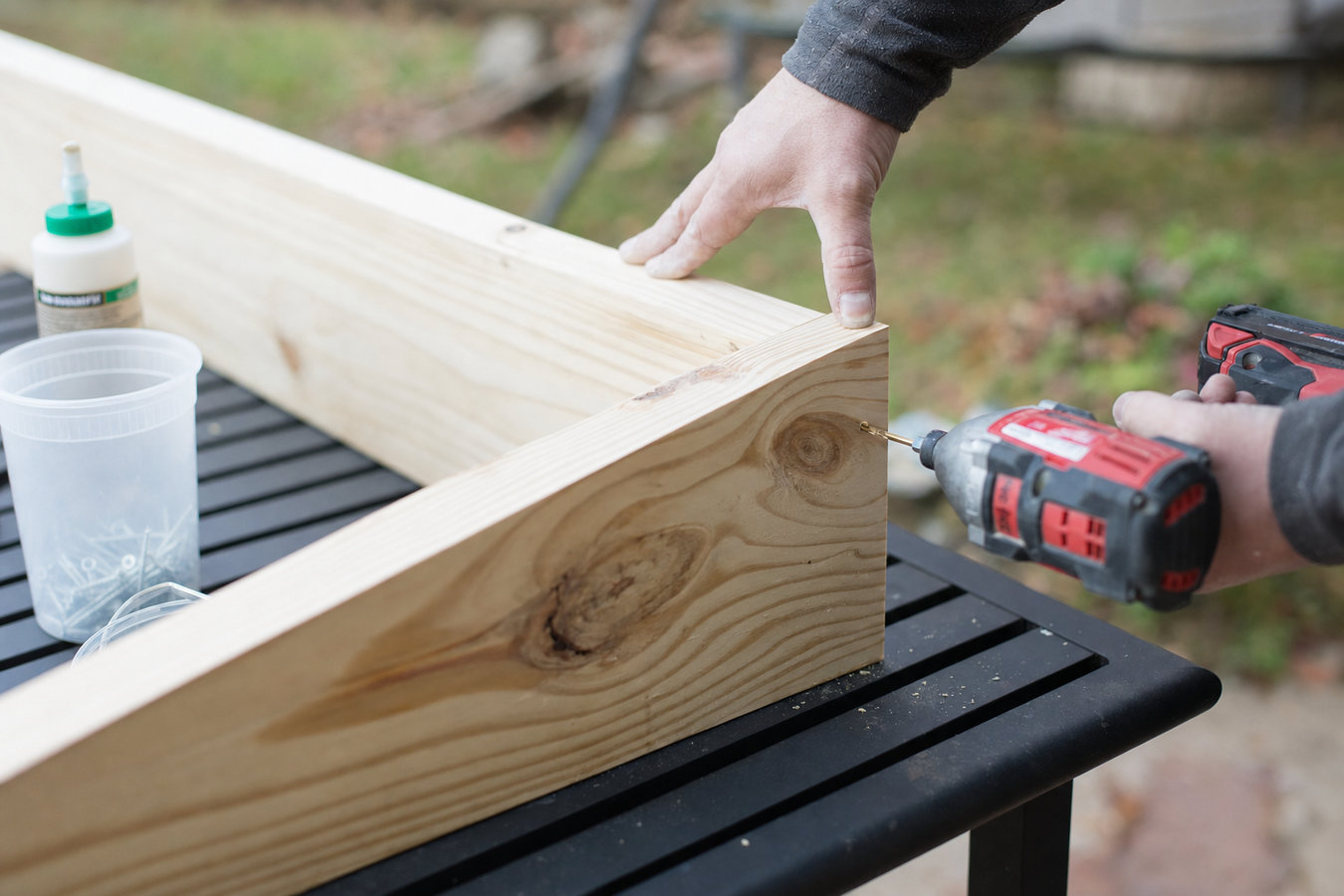
A new pressure-treated wood deck adds usable outdoor space to your Alameda home without the premium price of composite. We handle the permits, size the footings correctly for island soil, and give you an itemized price before a single board is cut.
Pressure-treated wood deck construction in Alameda means building with preservative-treated lumber that resists rot and insects - most projects take three to seven days of active construction once the permit clears, and a well-maintained deck can last 20 to 30 years.
Pressure-treated lumber is the most common decking material in residential construction for good reason: it's durable, widely available, and costs less upfront than composite options. The trade-off is maintenance - plan to clean and apply a water-repellent finish every two to three years once the wood has dried after installation. For homeowners who want the look of natural wood and don't mind that routine upkeep, it's a solid choice. If lower maintenance is a higher priority, our deck staining and sealing service can help you extend the life of a wood deck, or you might compare costs with our cedar wood deck construction option, which some homeowners prefer for its appearance and natural resistance to moisture.
What separates a well-built pressure-treated deck from a poor one isn't usually the boards - it's the footings, the framing, and the attachment to your house. In Alameda's bay-fill soils and salt-air environment, getting those fundamentals right is the difference between a deck that lasts 25 years and one that starts causing problems in five.
If your backyard is just open ground with nowhere comfortable to sit, grill, or host guests, you're missing out on living space. In Alameda, where lots are often modest in size, a well-designed deck can effectively extend your home's functional footprint without a costly addition.
Walk slowly across your existing deck and pay attention to how the boards feel. Any spot that gives slightly under your weight, feels soft, or sounds dull rather than firm may have rot underneath. In Alameda's foggy, salt-air environment, wood decay can spread faster than homeowners expect.
Grab your deck railing and push sideways. A safe railing should feel completely solid. If it moves or feels loose at the post base, that's a safety issue - not just a cosmetic one. Railing failures are a common cause of deck injuries, and a wobbly post on an older Alameda home often means the wood has rotted at ground level.
Look at the line where your deck meets your exterior wall. A visible gap that wasn't there before, or a surface that tilts slightly away from the house, signals that the ledger connection is failing. This is especially common on older Alameda homes where original hardware was never rated for long-term coastal exposure.
Every project starts with a site assessment - we measure the space, evaluate how the deck attaches to your home, and check the ground conditions before putting together a written quote. Alameda is built largely on bay fill and alluvial soil, which is softer than bedrock, so footing depth and width get sized specifically for the site rather than defaulted to a one-size-fits-all spec. We pull the permit with the City of Alameda Building Department and manage every required inspection, including the footing check before concrete is poured.
For homeowners who want a wood surface but are weighing long-term costs, we also offer cedar wood deck construction, which provides natural moisture resistance and a warmer appearance. Once your deck is built, our deck staining and sealing service can handle the ongoing finish maintenance so the wood stays protected without you having to coordinate a separate contractor.
Best for properties without an existing deck - we design the layout, handle permits, and build from footings to finished boards.
Suited for homeowners with a structurally compromised or rotted deck who need a complete rebuild on a new frame.
We design and build stairs and railings to match your yard's grade and layout - wood or composite rail options available.
For decks where the surface boards are sound but the frame, ledger, or footings need to be rebuilt to current standards.
Alameda's marine climate is harder on wood than most homeowners expect. Salt-laden air, persistent coastal fog, and high humidity year-round mean the wood faces more stress here than it would in Sacramento or the Central Valley. That makes the details matter more: proper flashing at the ledger, hardware rated for coastal exposure, and correct post-base installation all have a bigger impact on lifespan here than they do inland. The American Wood Protection Association (AWPA) sets the standards for preservative treatment levels in lumber - UC4A and UC4B ratings are relevant for ground-contact and high-moisture applications.
The housing stock adds another layer. A large share of Alameda's homes were built between the 1890s and the 1940s. Attaching a new deck to one of these homes requires more care than a newer build - non-standard stud spacing, older exterior finishes, and framing that wasn't designed with deck loads in mind are common. We assess what's behind the wall during the estimate visit, not during construction. Homeowners throughout the island come to us from neighborhoods served by our San Leandro and Oakland service areas, where the same older housing stock and coastal conditions apply.
Soil conditions on the island also require specific attention. Alameda is built largely on bay fill and alluvial material - softer than bedrock. Footings need to be deeper and sometimes wider here than on hillside lots in other East Bay cities. We've built on this ground and know what Alameda's building department requires for footing specifications.
Call or submit a form. We reply within one business day and usually schedule a site visit within a week. We'll ask a few questions upfront - approximate size, existing deck condition, HOA status - so we arrive prepared.
We visit your property, measure the space, evaluate the attachment point and ground conditions, and check for anything that might affect scope. You receive a written, itemized quote breaking down labor and materials separately - no guessing about where your money goes.
We submit plans to the City of Alameda Building Department and handle the full permit process. Plan for one to three weeks for standard review. If your property has an HOA, we'll let you know what to submit for design approval so both reviews can run in parallel.
We dig and pour footings, build the frame, and install boards, railings, and stairs. A city inspector checks the footings before concrete is poured and the framing before boards go down. Once construction passes final inspection, we walk the finished deck with you and hand over your permit documents.
Written, itemized quote before work starts. We handle the permit from application to final inspection.
(341) 204-8895Alameda is built largely on soft bay fill and alluvial material. Footings here need to go deeper than they would on more stable ground. We've built on this island and know what the local building department requires - cutting corners on footing depth is one of the most common reasons decks shift and pull away from the house over time.
You receive a written, itemized quote before any work starts. If something changes during the project - say, we open up a wall and find rot that needs to be repaired before the ledger can go in - we talk to you first. You never see a number you haven't agreed to.
A permitted deck is on record with the city and the county - which matters when you sell your home and buyers or inspectors ask about it. We submit the application, schedule inspections, and hand you the final permit documents when the job is done.
Victorian and Craftsman-era homes need more than a standard ledger attachment. We assess your home's exterior framing during the estimate - checking for non-standard stud spacing, older finishes, and structural conditions that affect how the deck is attached. The work is done right before a board goes down, not discovered after.
A well-built deck on Alameda's island is a different job from a standard suburban build. Soft soils, older homes, salt air, and a permit office that enforces its process - these aren't surprises when you work here regularly. They're just the job.
A premium wood alternative with natural moisture resistance and a warmer appearance than pressure-treated lumber.
Learn MoreProfessional cleaning, staining, and sealing to protect and extend the life of an existing wood deck.
Learn MorePermit slots fill up in spring - reach out now to lock in your start date before the summer rush.