Loading...
Serving Alameda, CA and surrounding areas. (341) 204-8895
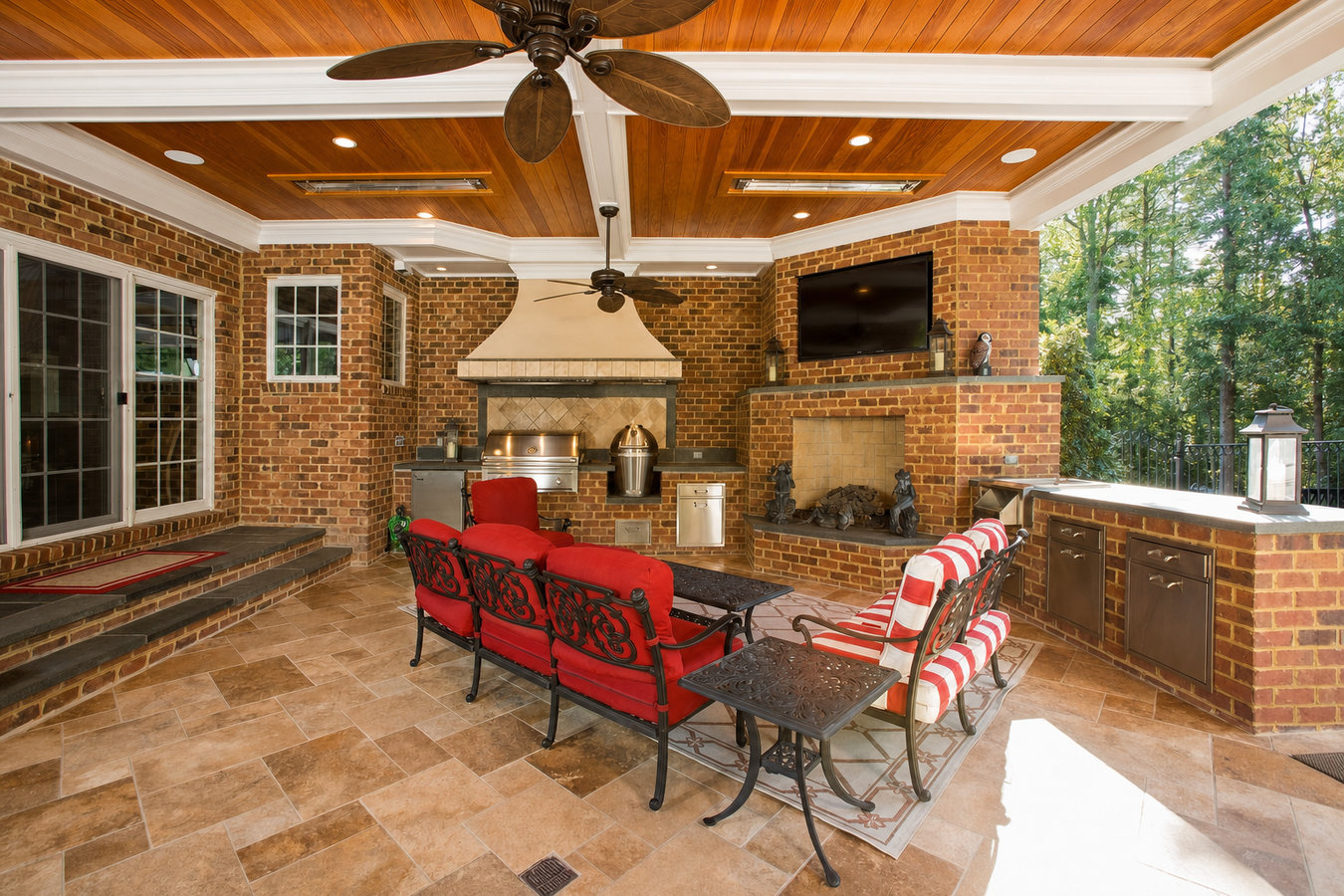
A standalone grill on a concrete slab is not an outdoor kitchen. We design and build deck and cooking spaces together, so everything works as one setup built for Alameda's coastal climate.
An outdoor kitchen deck in Alameda combines a built deck structure with a dedicated cooking and entertaining area - countertops, a grill station, and optional sink and appliance connections - designed and built together as one project, with most installations taking two to four weeks of construction after the permitting process is complete.
The biggest mistake homeowners make is treating the deck and the kitchen as separate projects. When they are designed together from the start, the structure, footings, utility rough-ins, and layout all work as a system - rather than forcing a kitchen onto a deck that was never built to support it. This approach almost always saves money and avoids the structural headaches that come from retrofitting. For homeowners who want to extend overhead shade or shelter above the kitchen area, multi-level decks can be incorporated into the overall design to create defined zones for cooking, dining, and lounging within a single project.
Permitting in Alameda adds real time to the timeline - typically two to six weeks with the City of Alameda Building Services department before construction can begin. Any deck attached to the house and any project involving gas or water lines requires permits and inspections at multiple stages. We handle all of that paperwork and coordination, so you are not left navigating the city process on your own.
If your outdoor space sits empty most of the time - or you are hauling food and dishes back and forth between the house and a portable grill - that is a clear sign your yard is not set up for the way you want to live. An outdoor kitchen deck creates a real destination in your backyard, not just a patch of grass with a grill on it.
A standalone grill on concrete, no counter space, no shade, no place for guests to stand nearby - this is the most common starting point. If you are working around limitations every time you cook outside, the setup is telling you it is time for something purpose-built rather than cobbled together.
In Alameda's coastal environment, older decks often show accelerated wear - rusty hardware, corroded fasteners, railings that move when you push them. If your current deck is showing these signs, replacing it with a new structure designed for coastal conditions and adding an outdoor kitchen at the same time is far more cost-effective than two separate projects years apart.
Many of Alameda's pre-war Craftsman and Victorian homes have large backyards that have never had a deck or outdoor structure added. If your home is in this category, the good news is that these properties often have the yard depth to accommodate a generous deck and kitchen setup - even accounting for the city's setback requirements.
We build outdoor kitchen decks ranging from a simple grill station with a built-in countertop on a new deck to full setups with gas lines, a sink, outdoor-rated cabinetry, and seating areas. The design starts with how you actually cook and entertain - where you want the grill relative to the seating, whether you need a dedicated prep area, and how guests will move around the space. Getting that layout right before choosing appliances is the difference between a kitchen that works and one that feels awkward the first time you host. For homeowners who want a sprawling entertaining layout with distinct cooking and seating zones, multi-level decks allow the kitchen and lounge areas to occupy different levels, which can feel more like a real outdoor room. Homeowners starting from scratch with no existing deck benefit most from pairing the kitchen design with a custom deck design and build so the entire structure is engineered to work together from the first post in the ground.
Decking surface choices include composite, pressure-treated wood, and rot-resistant hardwoods - each with different maintenance requirements and price points. In Alameda's coastal climate, composite and hardwood options tend to hold up better to salt air over time than pressure-treated lumber. Kitchen components use stainless steel appliances and marine-grade hardware as the baseline, because standard outdoor materials corrode faster than most homeowners expect this close to the bay.
A built-in grill and prep counter on a new deck - the most common starting point for homeowners who want a real cooking setup without full plumbing.
Grill, sink, cabinetry, and appliances on a custom deck - requires licensed plumbing and gas subcontractors we coordinate as part of the project.
Replacing an aging deck with one designed from the start to accommodate a kitchen - more cost-effective than keeping a deteriorating structure and retrofitting later.
Building an outdoor kitchen on Alameda's island means working in an environment that is significantly harder on materials than most of California. Salt-laden bay air accelerates rust on metal hardware, corrodes standard fasteners, and can work through outdoor appliances much faster than homeowners expect. We specify marine-grade hardware and stainless steel appliances rated for coastal environments as the starting point on every outdoor kitchen we build here - not as an upgrade, but as the only specification that makes sense this close to the water. Homeowners in Oakland and surrounding East Bay communities face similar conditions when they are close to the bay, and the same material standards apply.
Alameda's older housing stock also shapes how outdoor kitchen deck projects get done here. A large share of homes on the island were built before 1940, and the framing, ledger attachment points, and foundations of these properties require thorough evaluation before any deck is added. We assess the attachment point during every estimate visit - checking the condition of the framing, the available depth for footings, and whether any reinforcement is needed before we design anything. Homeowners in San Leandro with similar mid-century housing stock face comparable challenges, and the same upfront evaluation approach protects the homeowner in both cities.
We ask about your vision, rough budget, and how you plan to use the space - not just what you want it to look like. These questions help both sides figure out whether a site visit makes sense. We reply within one business day.
We come to your home to walk the yard, measure the space, and inspect the attachment point on your house. In Alameda, we also check your property's zoning setbacks and ask whether your home is in a historic district or subject to HOA rules. A design concept and detailed written estimate follow within a few days.
After you sign a contract, we submit the permit application to the City of Alameda Building Services department. This step typically takes two to six weeks in Alameda, so starting it early is important. We handle the paperwork - you do not have to navigate the city's process.
Once permits are approved, we set footings, build the deck frame, install the decking surface, and construct the kitchen components. If gas or water lines are involved, licensed subcontractors come in at this stage. Multiple inspections are required throughout - that is normal and a sign the work is being done correctly. We conduct a full walkthrough when construction is complete.
We handle design, permitting, and construction as one coordinated project - coastal materials, licensed subcontractors, and no surprises on the final invoice.
(341) 204-8895We do not bolt a kitchen onto a deck that was built without it in mind. Every outdoor kitchen deck we build starts with the layout of both elements together - so the footings, framing, utility rough-ins, and surface all work as an integrated structure. This approach avoids the cost and headaches of retrofitting a kitchen onto a deck that was never designed for it.
Salt air and bay moisture are hard on standard outdoor materials. We specify stainless steel appliances and marine-grade hardware as the baseline - not something you have to request as an add-on. Coastal composite or hardwood decking is our default recommendation for the surface. The difference between correct materials and standard materials shows up clearly after the first few winters near the bay.
Adding a gas grill or a sink requires licensed gas and plumbing contractors in California - this is not optional, and a contractor who offers to skip it is taking a risk at your expense. We have established relationships with licensed subcontractors and coordinate their work as part of the project schedule. All trade work is inspected and documented before the project closes out.
Many Alameda homes were built before 1940, and the North American Deck and Railing Association recommends thorough evaluation of older ledger attachment points before any deck is added. We do this assessment during the estimate visit - checking framing condition, foundation clearance, and setback compliance. If reinforcement is needed, we tell you upfront rather than discovering it after work has started.
These are not abstract commitments - they come from the specific conditions that Alameda homeowners deal with. The coastal environment, the older housing stock, and the city's permitting process all require a contractor who has worked through them before, not one figuring it out on your project.
For permit requirements, see the City of Alameda Building Services. For deck safety and construction standards, the North American Deck and Railing Association publishes industry guidelines for professional deck builders. For California contractor license verification, visit the California Contractors State License Board.
Create distinct zones for cooking, dining, and lounging across multiple deck levels - well suited to yards with grade changes or homeowners who want defined outdoor rooms.
Learn MoreA fully custom deck built from scratch - the right starting point for homeowners adding a kitchen to a property that has never had a deck.
Learn MoreAlameda's permitting process takes time - reach out now so we can get your application in and have you cooking outside before the season passes.