
Loading...
Serving Alameda, CA and surrounding areas. (341) 204-8895
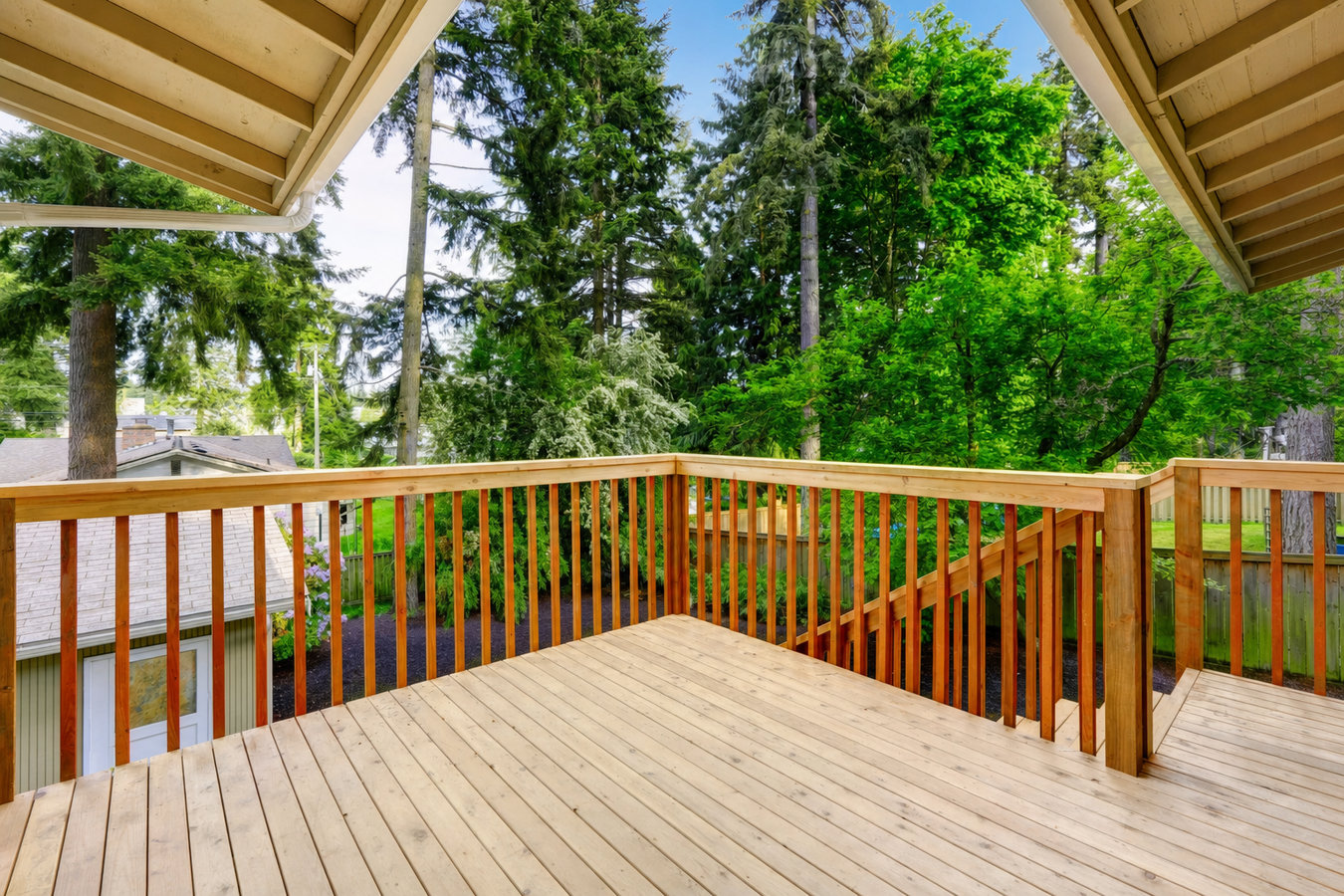
A railing that wobbles or shows rust stains is not just an eyesore - it is a liability. We install code-compliant railings built for Alameda's salt air, with full permit handling and no surprise inspection failures.
Deck railing installation in Alameda covers replacing an existing railing or installing a new one on a deck 30 inches or more above the ground, with most standard projects completed in one to two days of installation after the permitting process with the city is complete.
A railing is not just a finish detail - the posts are structural anchors, and how they are connected to the deck frame determines whether the whole system is safe. Alameda homeowners often discover that an older railing that looks fine from the outside has post bases softened by years of salt air and moisture. On Alameda's many Victorian and Craftsman homes, the deck framing itself sometimes needs attention before new railing posts can be anchored correctly. For homeowners considering a full deck replacement at the same time as railing work, starting with a custom deck design and build means the railing and structure are engineered together from the start. If the deck surface is sound but the railing has deteriorated, a targeted deck repair and replacement assessment will confirm whether railing replacement alone is the right scope.
Permits are required in Alameda for most railing work, and the City of Alameda Building Services office handles the review and inspection. We pull the permit, know what the local inspectors look for, and build to pass the first time - so the price you agree to is the price you pay.
Give your railing a firm push from the side. If it moves, flexes, or feels loose at the base, the posts may have weakened or pulled away from the deck frame. A railing that moves is a railing that could fail, and that is a safety issue, not just a cosmetic one.
In Alameda's salt-air environment, the base of railing posts is one of the first places to show wear. Rust streaks running down from metal hardware, paint that is bubbling or peeling, or wood that feels soft or spongy when you press it are all signs that moisture and salt have been doing damage. Catching this early is much cheaper than waiting until the post itself needs to be replaced along with surrounding deck boards.
If your deck surface is higher than about two and a half feet above the yard and there is no railing, you are out of compliance with California building requirements - and you are exposed to real liability if someone falls. This is common on older Alameda homes where decks were added before current rules were in place.
Home inspectors in the Bay Area routinely flag deck railings that are loose, too short, or have oversized gaps between balusters. If you have received an inspection report with a railing note - or you are preparing to list your Alameda home - addressing the railing now is almost always cheaper than negotiating a price reduction with a buyer.
We install railings in wood, composite, aluminum, and cable configurations, as new installations on freshly built decks or as replacements on existing structures. Every project starts with an assessment of the existing deck frame - checking that the ledger board, joists, and post anchoring points can support the new railing system correctly. If we find framing that needs reinforcement, we tell you in the estimate, not after work has started. For homeowners replacing an aging deck at the same time, custom deck design and build allows the railing and the deck structure to be engineered together so nothing is retrofitted onto a frame that was not built for it. If the deck boards are in good shape but the railing has deteriorated, a deck repair and replacement evaluation helps confirm what the right scope of work actually is before you commit to a full replacement.
Material choice is particularly important in Alameda's coastal climate. Aluminum holds up well against salt air and requires almost no ongoing maintenance. Composite railings - a blend of wood fiber and plastic - also perform reliably near the water and can be painted or matched to your home's trim. Wood railings are traditional and can be beautiful, but they require consistent resealing in Alameda's damp environment. For every option, we use stainless steel or hot-dipped galvanized fasteners and hardware as the baseline, because standard steel corrodes faster here than most homeowners expect.
Corrosion-resistant and low-maintenance - the most practical choice for Alameda's salt air. Available in a range of finishes and baluster styles.
A traditional look that works well on Alameda's Craftsman and Victorian homes. Composite requires less maintenance than wood; both options use coastal-rated hardware.
Stainless steel cable infill for homeowners who want an open sight line to the yard or bay. Requires precise tensioning and code-compliant post spacing.
Alameda sits on an island surrounded by San Francisco Bay, and the salt air that comes with that location is genuinely hard on railing materials. Standard steel fasteners and hardware corrode here faster than most homeowners expect, and wood railings that are not properly sealed can show rot at the post bases within a few years. Every railing we install in Alameda uses hardware specifically rated for coastal conditions - stainless steel or hot-dipped galvanized - as the default specification, not an upgrade. This is the difference between a railing that holds up for a decade and one that starts showing problems the second winter after installation.
Alameda's housing stock also shapes how railing work gets done. Many of the homes in the city were built before 1940, and decks added to these homes over the decades do not always have framing that meets current standards. A railing that is installed without checking the existing structure can look fine on day one and start pulling away from the deck frame within a few years as the posts transfer load to weak connections. We assess the deck structure on every project before we pull a measurement or recommend a material. Homeowners across Alameda, CA and in nearby Berkeley, CA often have similarly aged housing stock, and this structural assessment step is standard practice for us on both sides of the estuary.
When you reach out, we ask the basics: how long is the railing run, how high is the deck, and do you have a material preference? We reply within 1 business day. This helps us give you a realistic ballpark before the site visit so you are not waiting a week just to get a rough sense of cost.
We visit your deck to measure the perimeter, check the condition of the existing framing, and assess how posts will be anchored. This visit usually takes 30 to 60 minutes. You receive a written estimate that breaks out materials and labor - if anything is unclear, this is the moment to ask questions.
We submit the permit application to the City of Alameda Building Services on your behalf. Processing times vary - we give you a realistic estimate of the wait and keep you updated. You do not need to contact the city or visit any office during this step.
Most standard railing jobs on a single-family Alameda home are completed in one full day. After installation, we schedule the city inspection and are present when the inspector visits. Before we leave, you walk the railing with us - push on the posts, check the finish, confirm everything is solid.
Free on-site assessment, written estimate with no hidden fees. We know what Alameda's inspectors look for and build to pass the first time - so there are no surprises after the crew leaves.
(341) 204-8895We use stainless steel and hot-dipped galvanized fasteners on every railing we install in Alameda. Standard steel hardware corrodes in salt air faster than most homeowners expect, and the result is rust streaks, loose posts, and a railing that needs to be redone years sooner than it should. Specifying the right hardware upfront costs less than replacing a railing that failed because the materials were wrong for the environment.
Alameda's Victorian and Craftsman homes are built on framing that can be 80 to 130 years old. Before we quote any railing project, we check that the existing deck frame - joists, ledger board, and post connection points - can support the new system. If reinforcement is needed, you hear about it in the written estimate, not as a mid-project change order. The American Wood Council sets the structural standards for wood deck framing that guide this assessment.
We pull the permit through Alameda's Building Services office, attend the city inspection, and handle any minor adjustments the inspector requests. You pay once - for the job done right. Homeowners who hire contractors who skip the permit often find themselves paying twice: once for the original work, and again to bring it up to code when they go to sell.
Bay Area home inspectors flag deck railings constantly - loose posts, short height, wide baluster gaps, and unpermitted work are among the most common findings. A properly permitted railing installed to current California standards removes this category of risk entirely. When you are ready to sell your Alameda home, your deck is an asset, not a line item on the negotiation sheet.
Salt air, older homes, and a thorough local permitting process make railing work in Alameda genuinely different from an inland job. We have done this work across the island and know the conditions, the city process, and the structural realities of Alameda's housing stock.
A full deck project designed from the ground up - ideal when you want the railing and structure engineered together rather than railing added to an existing frame.
Learn MoreAssessment and repair of deck boards, framing, and structural connections - often the right starting point before deciding whether railing replacement alone is enough.
Learn MorePermit season fills up - the sooner you start, the sooner your deck is safe, code-compliant, and ready for whatever a Bay Area buyer or inspector looks at.